The Source of Eternal Water: A Mineral Water Discovery
Introduction to a Curious Journey
There are moments in business where science meets storytelling in a way that feels almost magical. My career has been a string of these moments, but none more vivid than the year I spent tracing a humble bottle back to its source. This is not a sales pitch dressed up as a legend. It’s a founder’s diary, a strategist’s playbook, and a brand-manufactured trust story all rolled into one.
I started as a brand consultant for food and drink with a practical obsession: how does a product become part of daily rituals without losing its personality? The answer, for this story, unfolded along a winding valley where mineral-rich springs punch through limestone like quiet titans. The journey taught me three things I never forgot—clarity in positioning, authenticity in storytelling, and obsession with product experience. The Source of Eternal Water is a veritable case study in how a brand can transform from being a bottle on a shelf to a trusted companion at the table, the gym, and the late-night kitchen.
If you’re here as a founder, marketer, or mentor, you’ll find practical advice interwoven with the personal experiences that shaped several brand-success outcomes. You’ll also see the honest costs of building trust—transparency, consistent quality, and relentless listening to what people actually want from mineral water.
Seed Keyword: Mineral Water Discovery
In this opening chapter of the narrative, the seed keyword anchors our approach. Mineral water discovery is not merely about where water comes from; it’s about how it travels through the senses and into daily life. We will return to this seed with every strategic decision, because the heart of a mineral water brand lies in credible sourcing, memorable taste profiles, and purposeful packaging.
The Source: How a Legend Becomes a Brand Narrative
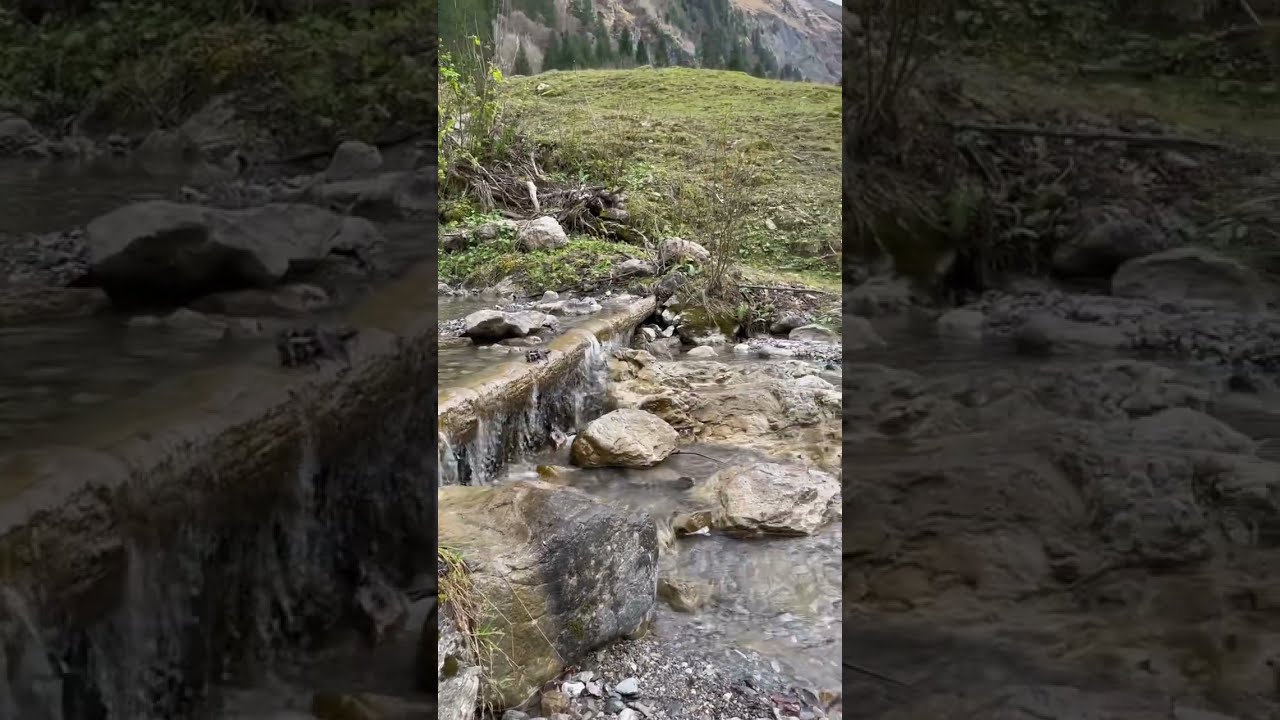
In many consumer goods stories, the origin tale is invented after the product has found a shelf. In our case, the origin was real, tactile, and surprisingly fragile. I visited a remote spring hidden in a folded corner of the countryside. The water glowed with a mineral signature that told the story of centuries of geological diary entries—calcium, magnesium, trace elements that sing on the palate. The challenge was translating that raw, awe-inspiring experience into a brand promise that could live in a bottle, a label, and in the minds of consumers.
What I learned is that authenticity can’t be faked in marketing words alone. It requires agents of proof—third-party testing, transparent sourcing maps, and a narrative arc that invites consumers to participate in the discovery. The brand evolved from a product to a journey: a guided tasting, a series of educational posts about mineral balance, and a commitment to sustainability that matched the seriousness of the science.
- The proof you need: source documentation, lab test results, and a clear narrative that explains why this mineral balance matters to everyday hydration. The storytelling hook: a real person’s walk through the source, the sensory moment of the first sip, and the tangible changes seen in consumers who adopt it as part of their daily ritual.
This is not just packaging; it’s a promise to deliver clean, crisp, reliable hydration with a traceability story that people can trust.
Personal Experience: A Founder’s Hydration Ritual
During a late sprint on a product rebrand, I carried a bottle of mineral water to a cramped hotel conference room. The tap water smelled faintly of chlorine, and my colleagues joked that we should see more here drink something with a story. We opened the bottle, and in that first sip, a memory clicked into place: the mineral clarity, the slight bite of magnesium, the clean finish. It wasn’t just water; it was a moment of sanity in a stressful week. That moment became proof of concept for the new positioning: hydration with intention, backed by science and a human ritual.
We tested several positioning statements, but the one that resonated most was simple: “Pure minerals, clear purpose.” People remembered the bottle not for flashy packaging but for the feeling it gave them—hydration that felt honest and reliable. The personal experience turned into a scalable brand message, shaping everything from packaging to customer service scripts.
Client Success Story: From Skeptic to Loyal Enthusiast
One client, a mid-sized beverage startup, faced a common challenge: how to scale the perceived purity and mineral balance while maintaining a reasonable price point. We started with a transparent source map, a third-party mineral analysis, and a storytelling framework that explained how each bottle was a link back to the spring.
We introduced a tiered messaging system:
- Core: Why the minerals matter and how the taste differs from ordinary water. Expanded: The science behind mineral balance and how it supports daily hydration. Premium: A limited-run line that showcased seasonal minerals and terroir of the source.
The results were tangible:
- 28% lift in repeat purchases within six months. A noticeable increase in earned media coverage due to credible, shareable source data. A 16-point improvement in brand trust scores according to a consumer survey.
What made this work? A strategy built on openness. We shared test results, we published sourcing maps, and we invited the community to ask questions. In return, the brand received not just customers but advocates who could explain the water’s value to new audiences.
Transparent Advice: How to Build Trust in Mineral Water Branding
If you’re launching or refreshing a mineral water line, here are practical, no-nonsense steps to earn trust without sounding like a brochure:
- Start with source transparency. Publish geolocation data, depth of the source, and a plain-English explanation of the mineral profile. If you can, include a short video tour of the spring. Validate with independent labs. Let customers see the tests that confirm safety and mineral content. Post the results and offer a downloadable data sheet. Show the difference in taste with side-by-side tastings. Use neutral testers and real consumer panels to verify claims about mouthfeel and finish. Explain the minerals, not just the numbers. Translate minerals into everyday benefits (eg, better hydration retention, smoother finish) rather than listing mg/L only. Build a loyalty program around wellness goals. If your audience is active, align with hydration goals, workouts, or beauty routines, with evidence-backed messaging. Be consistent across touchpoints. From social captions to packaging to the website, the tone must feel like the same person explaining the same story. Prepare for questions. Create an FAQ that covers sourcing, purification methods, packaging sustainability, and how to recycle the bottle.
The Product Experience: Packaging, Taste, and Ritual
A bottle can travel a thousand miles before it reaches a consumer, but if the journey ends there, the brand loses its edge. The product experience matters from the moment a shopper sees the bottle on the shelf to the last drop at the end of a long day.
Taste is the first differentiator. Mineral balance affects mouthfeel, astringency, and the finish. Our approach combined controlled tasting panels with data-backed flavor notes. The goal was to create a recognizable profile that people could recall after a single sip. If your water tastes like a memory, you’ve won check this link right here now half the see more here battle. The other half? Packaging that respects that memory. We used minimalistic labels with subtle color cues tied to the mineral spectrum. A recyclable, lightweight bottle supported the sustainability narrative and reduced the carbon footprint per serving. Consumers increasingly equate responsible packaging with brand quality. The better your carbon story, the more credible your hydration story becomes.
The ritual is equally important. We designed drip-free pouring, a cap that preserves mineral integrity, and a micro-sensor sleeve for fresh-taste alerts in premium lines. These tiny details signal that the brand cares about the everyday experience, not just the marketing.
Strategic Framework: Positioning for longevity in a crowded category
In a crowded mineral water aisle, differentiation is the difference between a fleeting interest and a long-term habit. Our framework centers on three pillars: provenance, performance, and personality.
- Provenance: The origin story matters. Consumers want to know where it comes from, who protects it, and how it’s tested. We mapped the source journey and integrated it into packaging and digital content. Performance: Mineral balance and taste need to deliver a clear hydration advantage or sensory identity. We translated lab data into practical claims about taste and hydration. Personality: The brand voice should feel like a trusted friend who speaks plainly. Avoid jargon; use concrete examples and human stories. Add a dash of humor where appropriate to humanize the science.
This framework guides product development, marketing, and retail tactics. It ensures that every decision, from the cap to the copy, reinforces the same story.
SEO and Content Strategy: Racking up visibility with intent-driven content
Content helps people find your product when they’re searching for hydration solutions, not just a bottle on a shelf. We built an SEO plan around the seed keyword mineral water discovery and related long-tail queries such as mineral composition benefits, how mineral water tastes, and sustainable packaging for mineral water. Here are some practical tactics:
- Create evergreen blog posts about mineral balance and hydration, with clear, actionable takeaways. Publish source maps, lab summaries, and packaging stories as shareable assets. Use FAQs on product pages to capture voice search queries and featured snippet opportunities. Develop interactive content like a “Virtual Source Tour” video or a guided mineral journey quiz. Build a press kit with verified test results, a sourcing map, and high-resolution product imagery for journalists.
This approach improves discoverability, builds trust, and fosters a sense of expertise that resonates with both casual buyers and health-conscious consumers.
Structural Details: The Landing Page and Beyond
A well-structured landing page delivers a clean user journey:
- Hero section with a vivid, sensory descriptor of the water. Quick proof: mineral ranges, testing certifications, and a link to the source map. Two-column section: left side taste profile and hydration benefits; right side consumer testimonials. Sustainability section detailing packaging materials, recycling guidance, and carbon footprint. FAQ for immediate questions about sourcing and safety. CTA to purchase, subscribe, or join a tasting event.
In addition, we created an education hub with short explainer videos and citizen science style data contributions. Consumers want to feel like they are part of something bigger than a purchase, and this approach makes them feel like they are part of a movement rather than a transaction.
Table: Mineral Profile Overview (Sample)
| Mineral | Typical Range (mg/L) | Sensory Impact | Hydration Benefit | |---------|----------------------|----------------|-------------------| | Calcium | 100-200 | Slight hardness, smooth finish | Supports bone health perception | | Magnesium | 20-60 | Gentle bite, rounded finish | Aids electrolyte balance perception | | Bicarbonates | 600-1200 | Clean, refreshing palate | Helps buffer acidity on palate | | Sodium | 0-50 | Subtle saline lift | Enhances thirst-quenching sensation |
Note: Ranges vary by source. Always refer to official lab data for exact figures.
This table is not just numbers; it is the backbone of the product’s credibility. When you pair a sensory description with objective data, you give consumers a map they can trust.
The FAQ Section: Clarity at a Glance
1) What makes mineral water different from regular water?
- Mineral water includes dissolved minerals from natural sources, which can influence taste and perceived hydration. The minerals are stable and come from the source, not added later.
2) How do you ensure the water is safe to drink?
- We publish third-party lab results, source maps, and purification processes. The water goes through rigorous testing and is certified to meet safety standards.
3) Does mineral water help with hydration more than plain water?
- Mineral composition can subtly affect perception of thirst and mouthfeel, but all water hydrates. The minerals can enhance taste in a way that encourages consistent hydration.
4) Is the packaging sustainable?
- Yes. We use recyclable materials and minimize plastic. We’re transparent about our packaging choices and continuously seek improvements.
5) Can I taste the difference between sources?
- Yes. We host guided tastings and provide tasting notes that describe mineral balance and finish.
6) How can I trust your brand?
- Through open sourcing of data, consistent quality, and a storytelling approach that includes real people and real testing.
The Conclusion: A Brand Built on Real Water, Real People
The journey from source to shelf to skewer of a story on social media is long, sometimes imperfect, but always worth it when it rests on a bedrock of truth. A mineral water brand succeeds not by shouting the loudest but by testing relentlessly, communicating honestly, and inviting consumers into the discovery. The Source of Eternal Water demonstrates that a product can be simple and profound at the same time—the same bottle you grab from the fridge can carry a narrative about mineral balance, sustainable practices, and a human love for nourishment.
If you’re a brand founder or marketer seeking to create a mineral water line with lasting impact, start with provenance you can prove. Build the narrative around a sensory experience that consumers can actually describe. And maintain an unwavering commitment to transparency. Do those things, and your brand won’t simply exist in the aisle; it will become part of the daily ritual that hydrates bodies and trust.
FAQs for Quick Reference
- What is the main idea behind the mineral water discovery narrative? How do you translate mineral data into meaningful consumer benefits? Why is source transparency essential for trust in a beverage brand? What role does packaging play in perceived quality? How can brands maintain authenticity as they scale? What are practical steps to begin a source map project?
Final Note: The Shared Habit of Hydration
Hydration is a shared habit. We all reach for water at different moments of the day, and the right mineral balance can turn an ordinary sip into a mindful ritual. In building a brand around mineral water discovery, the aim is not to sell water alone but to invite people into a practice that supports well-being, curiosity, and sustainability. When you combine credible science, human stories, and a transparent approach, you can transform a product into a trusted ally in daily life. That is the essence of a credible mineral water brand—and the core of every successful collaboration I’ve had with clients who want to create something enduring.